Consistent assessments could make future research more useful to patients and their clinical teams.
Why is this important?
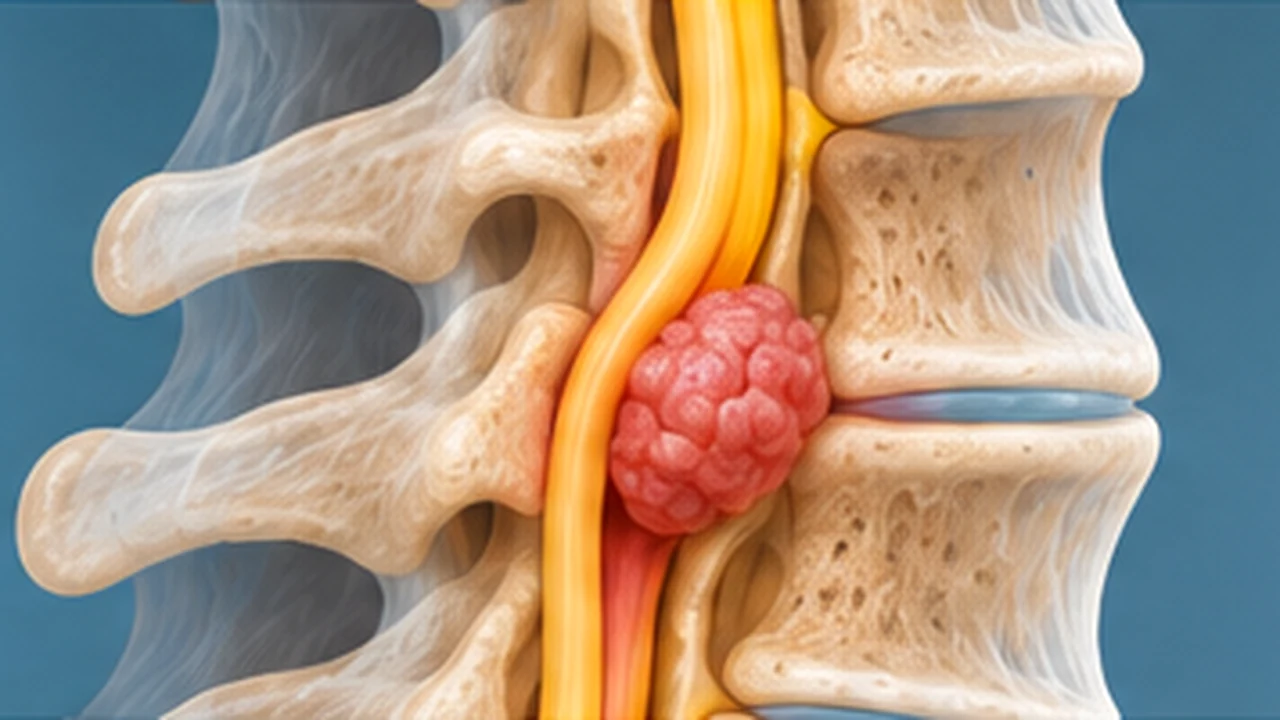
When cancer in the spine compresses the spinal cord, it may cause pain, weakness, numbness, difficulty walking, and bladder or bowel problems. This is a serious condition requiring prompt medical assessment. Surgery and radiotherapy are among the treatments considered according to each patient’s situation.
What did the researchers do?
An international group, including Gustavo Nader Marta as a joint first author, reviewed earlier studies and completed two expert-consensus rounds involving 20 countries. They agreed on 49 statements covering definitions, diagnostic assessment and outcomes that should be measured and reported in research.
What could this mean for care?
Studies should assess pain, muscle strength, sensation, ability to walk and bladder and bowel function consistently, alongside standardised imaging criteria. This may improve comparison of treatment strategies and, over time, provide stronger evidence for decisions that reflect patients’ everyday functioning.
What are the limitations?
This publication is a consensus for studies and clinical audits, not a trial showing that one surgical or radiotherapy treatment is better than another. It does not replace individual assessment. New or worsening weakness, inability to walk, or bladder or bowel changes in someone with cancer warrant immediate medical attention.
Wong HCY, Choi JI, Marta GN, Lee SF, Chan AW, Costa Santos MDA, et al. International Multidisciplinary Consensus Group for Malignant Spinal Cord Compression: recommendations for definitions, reporting items, and study endpoints for clinical trials and audits. Lancet Oncol. 2026;27(2):e111–e122. doi:10.1016/S1470-2045(25)00602-3.
For education only. Research findings do not replace individual clinical advice.
← Back to research updates